Diarizos / Erouza River (AGTIV)
Demonstration Site – Ezousa/Diarizos River Basin (Cyprus)
Integrated monitoring in a vulnerable coastal ecosystem.
Situated in the watershed of the Ezousa and Diarizos rivers in southwestern Cyprus, this site lies within a NATURA 2000 area of delicate biodiversity, characterized by seasonal water flows, fragile coastal ecosystems, and anthropogenic pressures from agriculture and tourism.
Key challenges:
- Increased soil erosion and intensive fertilizer use
- Nutrient loss, water scarcity, and drought risk
- Fragile aquifers and sensitivity of aquatic ecosystems
- Mediterranean ecosystem under pressure
- Scarcity of historical and real-time environmental data
Monitoring activities:
- Remote sensing and environmental sensors measuring solar radiation, temperature, humidity, atmospheric pressure, soil moisture (at three depths), leaf wetness, wind, and rainfall
- Soil analysis: infiltration, bulk density, pH, electrical conductivity, organic matter, nutrient availability (N, P, K, micronutrients), microbial composition via NGS
- Water quality control: dissolved oxygen, pH, EC, biological oxygen demand (BOD), oxygen uptake rate (OUR/SOUR), nutrients
- Data integration on cloud platforms, supported by laboratory analysis, soil maps, and satellite images for observation verification and validation.
Final goal:
Generate high-resolution environmental data to support sustainable soil and water management strategies in vulnerable Mediterranean coastal environments, promoting scientific and technological approaches for ecosystem conservation and reduction of diffuse pollution.
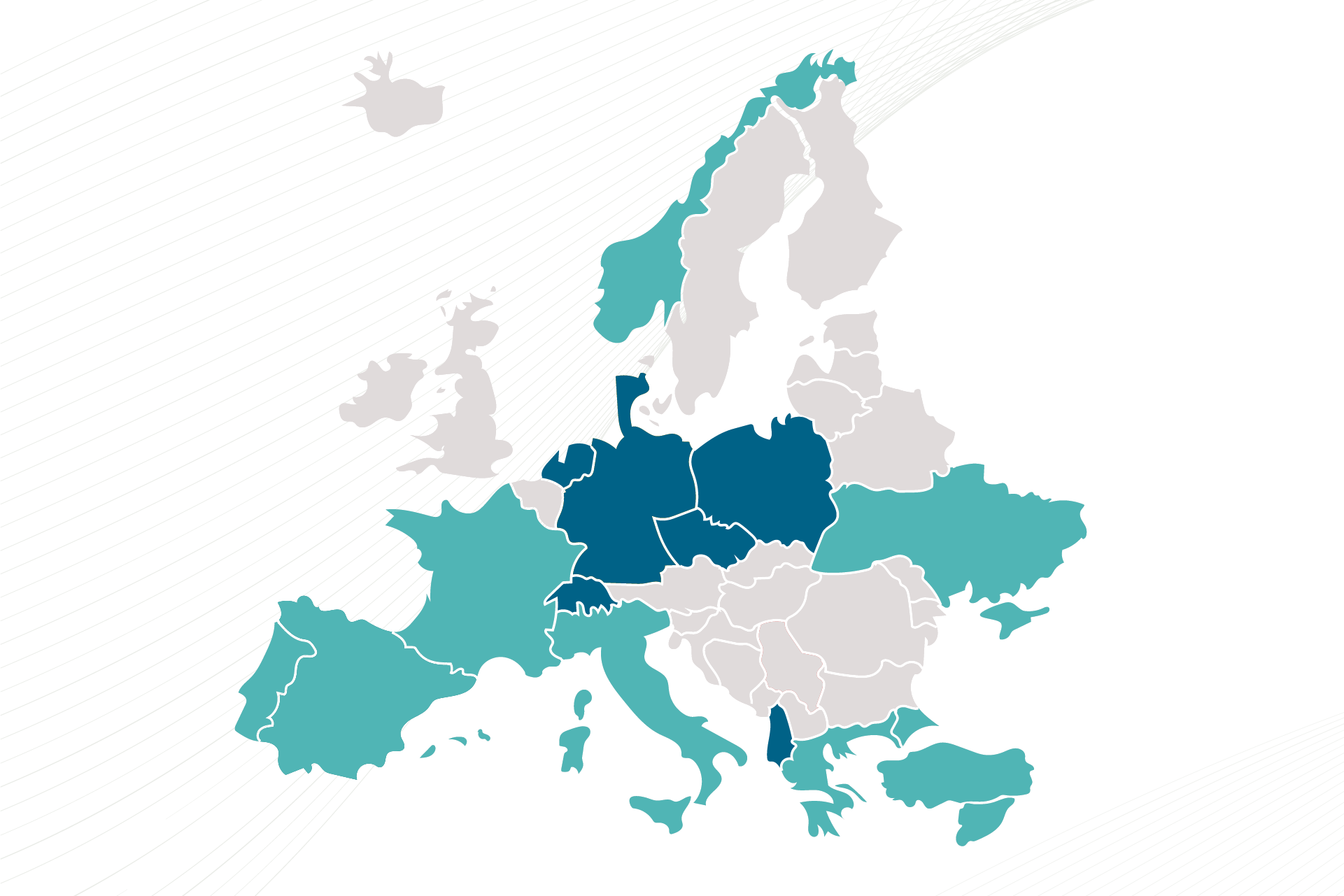
D.G.2 Nordic: explore novel approaches that especially account for significant or extreme weather events (precipitation and temperature) in reducing sediment, nutrients, and pesticide losses under different climatic regimes and agricultural systems in the Nordic region (including the Baltic sea).
D.G.2 Nordic: explore novel approaches that especially account for significant or extreme weather events (precipitation and temperature) in reducing sediment, nutrients, and pesticide losses under different climatic regimes and agricultural systems in the Nordic region (including the Baltic sea).
D.G.7.: improve smart agriculture novel solutions towards irrigation water management and nitrogen leaching mitigation
D.G.6.: co-develop, improve, adapt, and test current and novel agricultural (soil, water, nutrient) management technologies and solutions, evolve monitoring technologies and integrated solutions, and adapt, calibrate, and validate the developed tools, models, and systems
D.G.4.: create a testbed for the innovative solutions and Integrate the network of experimental agricultural watersheds of the Government of Navarra.
D.G.5.1: develop a monitoring system for groundwater and soil status in the Mondego River Basin under different agricultural scenarios and identify, adapt and evaluate sustainable farming practices so that mitigation strategies to reduce pesticide and fertilizer impacts can be effectively designed and applied.
D.G.3: test and generate novel insights for zero pollution in Ukraine under climate change in the post-war recovery.
D.G.1. East-Med: Identify pathways to transform state-of-the-art solutions into traditional practices for sustainable agriculture and water conservation in water-scarce coastal Mediterranean basins facing multiple challenges.
DG1 East-Med : Identify pathways to transform state-of-the-art solutions into traditional practices for sustainable agriculture and water conservation in water-scarce coastal Mediterranean basins facing multiple challenges.