Ondrup Mose Miniwetland, Odder Stream (AU)
Demonstration Site – Denmark (Ondrup Mose Miniwetland, Odder Stream)
Wetlands and watercourses as natural filters for agricultural contaminants
The Danish site, located between the Ondrup Mose wetland and the Odder stream, serves as a pilot area for studying the effectiveness of natural systems in retaining nutrients and pollutants originating from agriculture.
Ongoing activities:
- Maintenance of the area and installation of instruments for real-time monitoring of water flow and climatic parameters
- Water quality analysis and initial sampling to test environmental DNA/RNA detection methods
- Start of continuous monitoring (from August 2025) with meteorological data collection and the use of sensors—including low-cost ones currently under evaluation.
Seasonal and sediment monitoring:
- Seasonal sampling for eDNA/RNA, pesticides, and organic micropollutants, calibrated according to the agricultural calendar (e.g., fertilization, treatments)
- Collection of sediment and porous material samples from different site zones to evaluate long-term accumulation of nutrients and contaminants
Objectives:
- Explore the role of natural and artificial wetlands in retaining agricultural contaminants
- Assess efficient and scalable monitoring strategies, including economical sensors and environmental DNA-based techniques
- Contribute to the design of effective ecological interventions to improve water quality in rural areas.

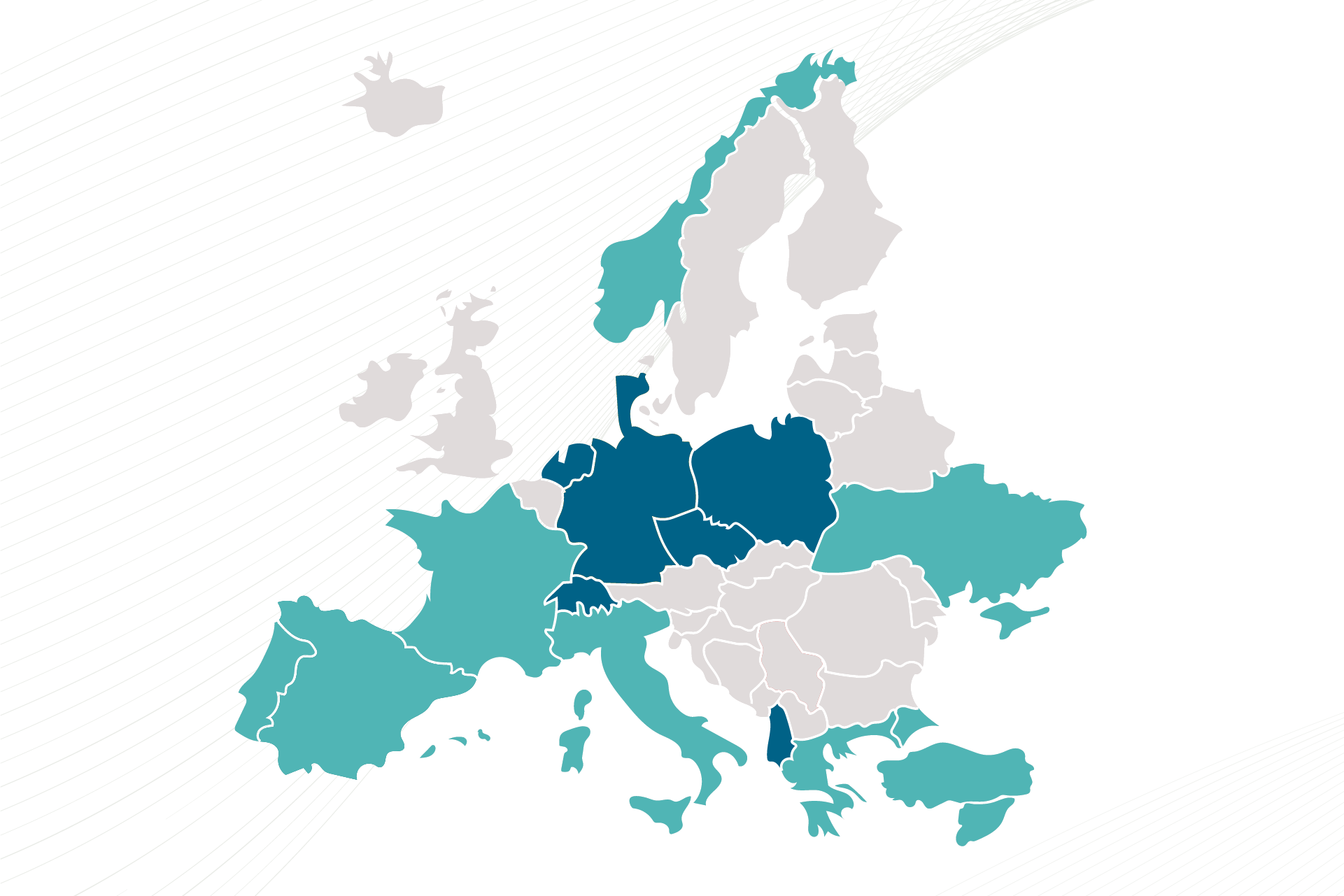
D.G.2 Nordic: explore novel approaches that especially account for significant or extreme weather events (precipitation and temperature) in reducing sediment, nutrients, and pesticide losses under different climatic regimes and agricultural systems in the Nordic region (including the Baltic sea).
D.G.2 Nordic: explore novel approaches that especially account for significant or extreme weather events (precipitation and temperature) in reducing sediment, nutrients, and pesticide losses under different climatic regimes and agricultural systems in the Nordic region (including the Baltic sea).
D.G.7.: improve smart agriculture novel solutions towards irrigation water management and nitrogen leaching mitigation
D.G.6.: co-develop, improve, adapt, and test current and novel agricultural (soil, water, nutrient) management technologies and solutions, evolve monitoring technologies and integrated solutions, and adapt, calibrate, and validate the developed tools, models, and systems
D.G.4.: create a testbed for the innovative solutions and Integrate the network of experimental agricultural watersheds of the Government of Navarra.
D.G.5.1: develop a monitoring system for groundwater and soil status in the Mondego River Basin under different agricultural scenarios and identify, adapt and evaluate sustainable farming practices so that mitigation strategies to reduce pesticide and fertilizer impacts can be effectively designed and applied.
D.G.3: test and generate novel insights for zero pollution in Ukraine under climate change in the post-war recovery.
D.G.1. East-Med: Identify pathways to transform state-of-the-art solutions into traditional practices for sustainable agriculture and water conservation in water-scarce coastal Mediterranean basins facing multiple challenges.
DG1 East-Med : Identify pathways to transform state-of-the-art solutions into traditional practices for sustainable agriculture and water conservation in water-scarce coastal Mediterranean basins facing multiple challenges.