Mondego River Basin (IPV-ESAV)
Demonstration Site DG5.1 – Portugal Mondego River basin
The Mondego River Basin serves as the Portuguese demonstration site under Path4MED, addressing diffuse agricultural pollution and water quality and rational. Through integrated groundwater and soil monitoring and participatory Living Lab approaches, it tests solutions to reduce pesticide and fertilizer impacts while improving sustainable water and soil management practices.
Ongoing activities:
- Monitoring groundwater levels, concentrations of pesticides and fertilizers
- Indirect assessment of irrigation withdrawals from agricultural wells
- Creation of continuously updated databases on soil, climate, and groundwater quality.
- Stakeholder involvement: mapping and co-design of monitoring activities for the Mondego River Basin.
Planned activities:
- Monitoring program started in November 2025
- Assessment of major pollutants in underground water
- Assesment of agricultural practices.
- Coordination of the study of farmers’ willingness to change and willingness to accept
- Data collection and analysis in collaboration with local actors and stakeholders
- Dissemination of results and best practices.
Tools and innovations planned:
- Monitoring underground water quality
- Evaluation of good management practices in farming
- Application of innovative participatory activities.
Main objectives:
- Reduce pesticides and fertiizers nitrate loads in the environment
- Co-design and co-elaborate solution for agricultural practices that promotes productivity and sustainability.
- Promote a sustainable pathaway to reduce agriculture driven pollution in the enviroment

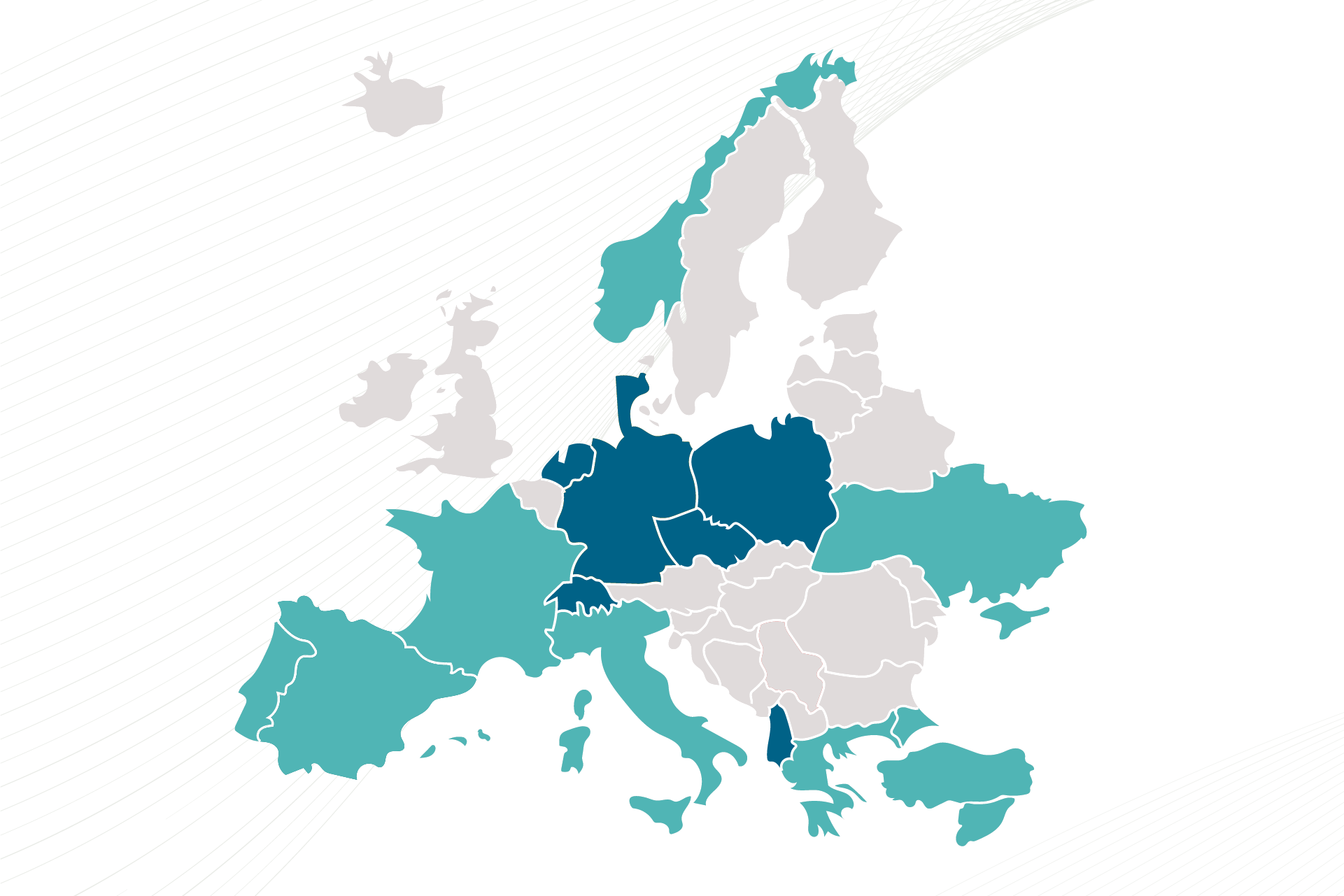
D.G.2 Nordic: explore novel approaches that especially account for significant or extreme weather events (precipitation and temperature) in reducing sediment, nutrients, and pesticide losses under different climatic regimes and agricultural systems in the Nordic region (including the Baltic sea).
D.G.2 Nordic: explore novel approaches that especially account for significant or extreme weather events (precipitation and temperature) in reducing sediment, nutrients, and pesticide losses under different climatic regimes and agricultural systems in the Nordic region (including the Baltic sea).
D.G.7.: improve smart agriculture novel solutions towards irrigation water management and nitrogen leaching mitigation
D.G.6.: co-develop, improve, adapt, and test current and novel agricultural (soil, water, nutrient) management technologies and solutions, evolve monitoring technologies and integrated solutions, and adapt, calibrate, and validate the developed tools, models, and systems
D.G.4.: create a testbed for the innovative solutions and Integrate the network of experimental agricultural watersheds of the Government of Navarra.
D.G.5.1: develop a monitoring system for groundwater and soil status in the Mondego River Basin under different agricultural scenarios and identify, adapt and evaluate sustainable farming practices so that mitigation strategies to reduce pesticide and fertilizer impacts can be effectively designed and applied.
D.G.3: test and generate novel insights for zero pollution in Ukraine under climate change in the post-war recovery.
D.G.1. East-Med: Identify pathways to transform state-of-the-art solutions into traditional practices for sustainable agriculture and water conservation in water-scarce coastal Mediterranean basins facing multiple challenges.
DG1 East-Med : Identify pathways to transform state-of-the-art solutions into traditional practices for sustainable agriculture and water conservation in water-scarce coastal Mediterranean basins facing multiple challenges.